

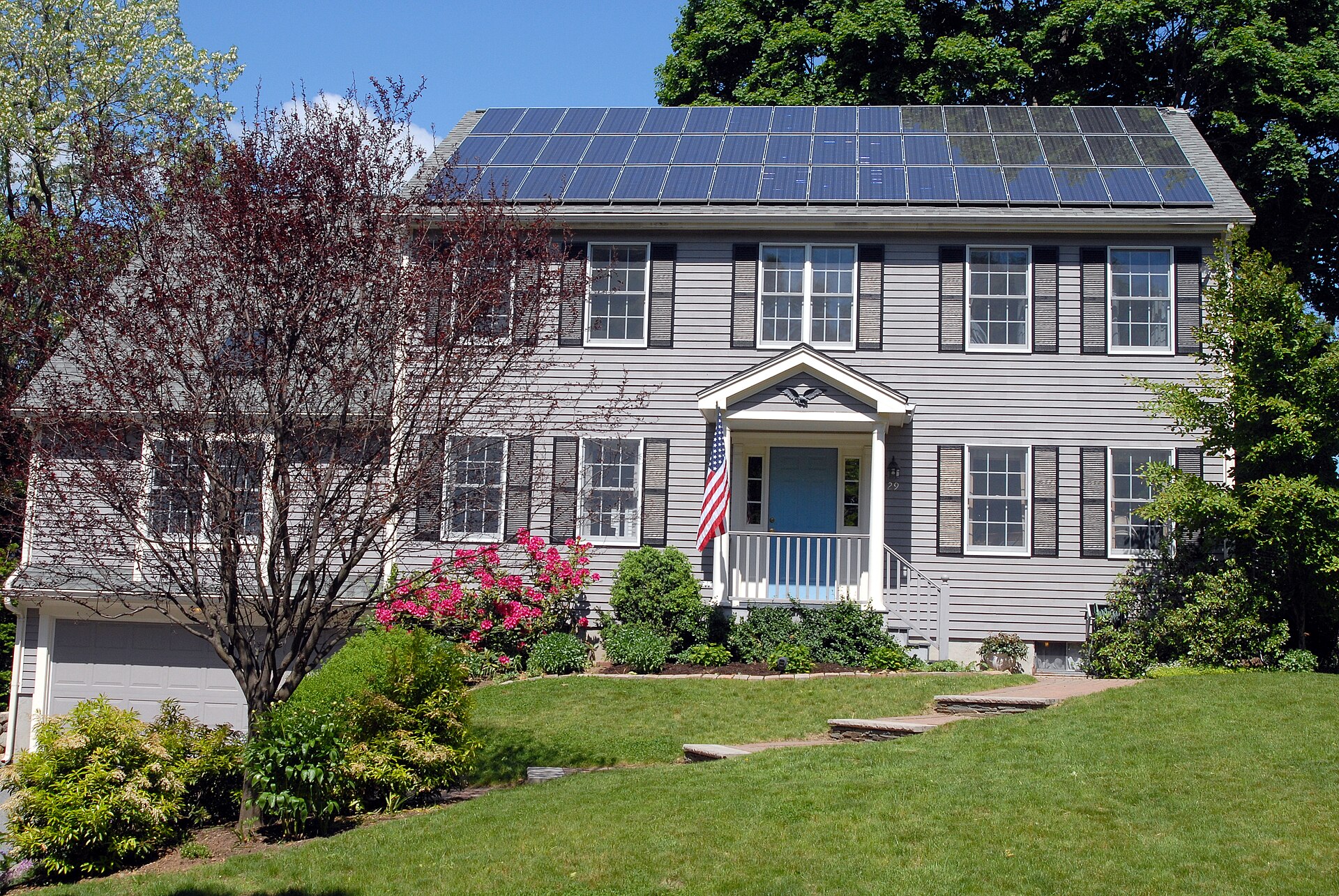
Rooftop solar has an obvious flaw: it generates most when households need least, and nothing at all after dark. Home battery storage is the technology closing that gap — a wall-mounted box of lithium cells that banks the afternoon’s sunshine for the evening’s cooking, cooling and charging, and increasingly, keeps the lights on when the grid goes down. Sales have climbed steeply wherever solar, high electricity prices and unreliable supply intersect.
The proposition has matured beyond the early-adopter gadget. Modern systems pair ten or more kilowatt-hours of storage with smart inverters that decide, second by second, whether to store, use or export power based on tariffs and weather forecasts. The International Energy Agency counts behind-the-meter batteries among the fastest-growing segments in energy, and our Tech News team has watched the technology move from trade-show curiosity to standard option on new solar installations.
What a Home Battery Actually Does for You
The daily arithmetic is the core appeal. Without storage, a typical solar household exports much of its midday generation for a low feed-in price and buys evening power at the full retail rate; with a battery, self-consumption of solar can rise from roughly a third to seventy percent or more, and the bill falls accordingly. In markets with time-of-use pricing, the battery also buys cheap overnight grid power for morning use — arbitraging the tariff even on sunless days.
Resilience is the second value, priced differently by different households. For a home in a blackout-prone area — or one running medical equipment, a home office or, in the Gulf context, essential cooling — automatic backup that carries critical circuits through an outage is worth money that payback spreadsheets struggle to capture. Insurers and builders have noticed: storage is appearing in new-build specifications and resilience standards, not just retrofit catalogues.
Costs, Chemistry and the Fine Print
Prices have fallen dramatically with the lithium-iron-phosphate chemistry now dominant in home systems — safer and longer-lived than the nickel-based cells of early products, if slightly bulkier. Installed costs still vary widely by market and installer, and honest payback periods range from attractive to long depending on tariffs, export payments and how much solar a household would otherwise waste. The variables are local, which is why reputable installers model a specific roof, bill and tariff rather than quoting a generic number.
Longevity and software deserve the questions buyers often forget to ask. Warranties typically guarantee around seventy percent capacity after ten years or a set throughput; degradation is gradual, not a cliff. The system’s app and tariff intelligence matter as much as its cells — a battery that cannot respond to your tariff or join a virtual power plant leaves money on the table, and standards for such participation are still settling. Safety regulation, from installation codes to fire guidance summarised by bodies such as the NFPA, has professionalised what was once a cowboy market.
From Household Gadget to Grid Asset
The strategic shift is aggregation. Utilities and aggregators now recruit home batteries into virtual power plants — fleets dispatched together at peak moments, paying owners for availability and sparing the system the cost of rarely used power stations. For grids absorbing millions of solar roofs, fleets of responsive home batteries are becoming genuine infrastructure: the duck curve’s belly, filled in by a million wall boxes acting as one.
In sun-rich regions including the Gulf, where air-conditioning drives evening peaks and solar potential is among the world’s highest, the pairing of rooftop generation with storage is close to a natural law of future building design. The technology’s trajectory — cheaper cells, smarter software, deeper grid integration — points the same way as the solar panel’s own history: from premium option to default expectation. The box on the wall is quietly becoming as standard as the meter beside it. Follow energy technology from the Saudi Arabia Magazine homepage.
