

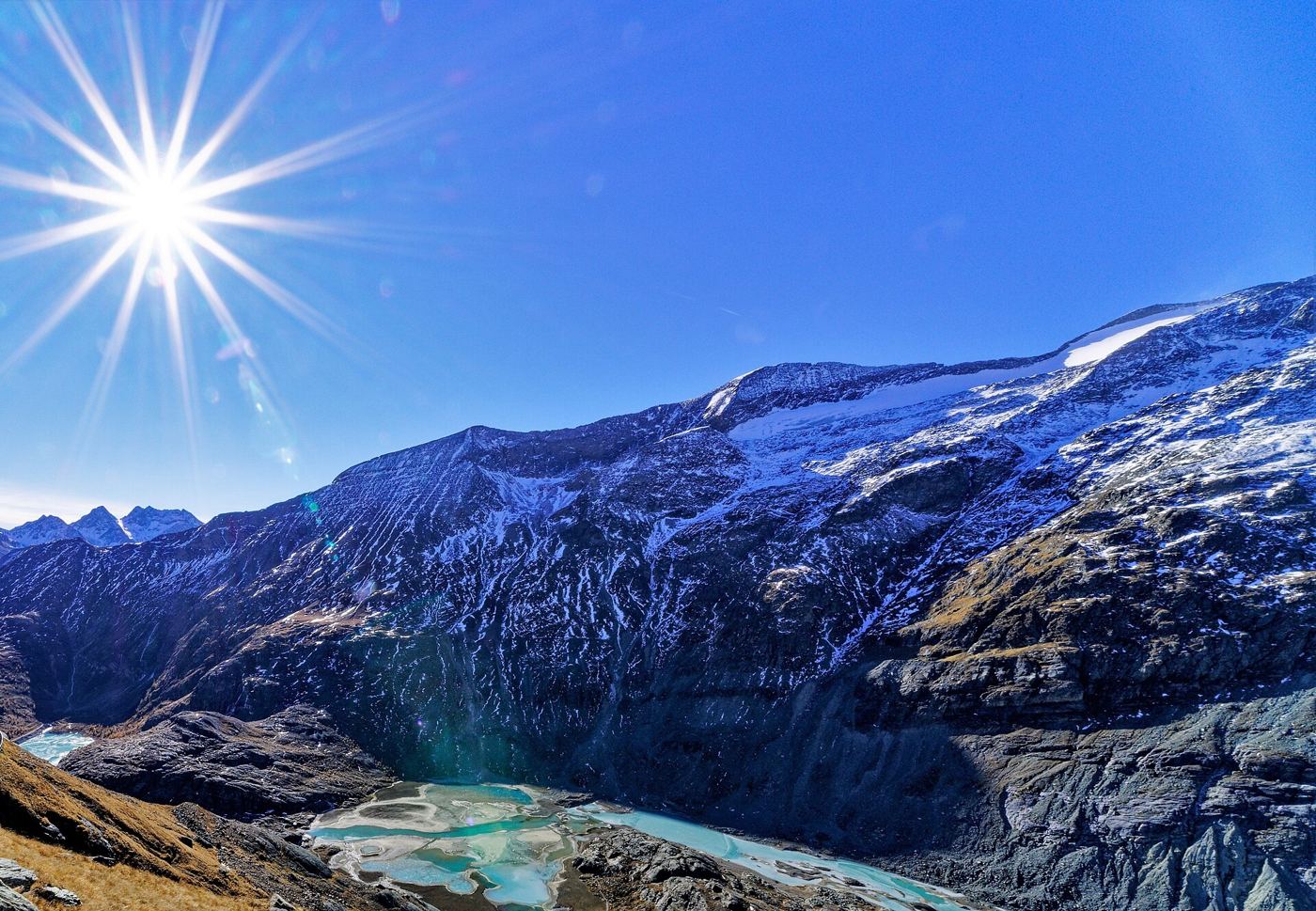
High in many mountain ranges, melting glaciers are leaving behind lakes that did not exist a generation ago. Meltwater collects in hollows carved by the ice and is often held back only by loose piles of rock and debris. These glacier lakes are beautiful from a distance, but they can be dangerous. If the natural dam is weakened by heavy rain, an avalanche or an earthquake, the water can escape suddenly and race down the valley below. Scientists therefore map the lakes from satellites, track how fast they are growing, and rank which ones deserve the closest attention from local authorities. The lakes also change mountain life in quieter ways. New shorelines attract birds and alter fishing grounds, while shifting meltwater affects the streams that villages depend on for drinking and irrigation through the dry season. Researchers therefore record more than size alone, noting water temperature, sediment and the condition of the slopes above.
What the Evidence Shows
Field teams visit the most concerning lakes to measure water depth, inspect the dam and install simple warning instruments. In some valleys, engineers have carefully lowered lake levels by digging controlled outlet channels, reducing the volume that could escape in a flood. Early warning systems using water sensors and sirens give downstream villages precious minutes to move to higher ground. Local knowledge is part of the science too, because residents often notice changes in streams and slopes long before a survey. As glaciers continue to shrink, this patient monitoring work is becoming an essential part of mountain safety. Funding this watchfulness is an ongoing challenge, because the lakes sit in remote places far from laboratories and roads. Low-cost sensors, satellite analysis done by distant universities and trained local observers have become the practical answer. Some communities now employ lake wardens who report changes by radio through the melt season. Reporting and analysis from sources such as National Science Foundation track the same developments, and specialists following glacier lakes say the direction is now consistent across independent lines of evidence.
The Wider Context
The wider context is a research landscape in which replication and open data now decide reputations. Findings connected to glacier lakes are being checked by independent groups with shared datasets, and the teams involved publish their methods in full so rivals can test every step. That discipline is slower than a headline cycle, but it is why results in this area increasingly survive first contact with scrutiny.
What Happens Next
What happens next in the story of glacier lakes will be decided by follow-up work already under way: larger samples, longer observation and instruments that have not yet come online. The researchers involved are unusually united on one point, that the current results justify the next investment of time and money. Readers will not have to wait long for the first tests of that claim. You can follow related developments in our coverage of science.
There is a practical lesson in all of this for readers deciding what to do today. Start with the verified facts, be wary of anyone promising certainty, and prefer reversible steps while the evidence is still developing. Circumstances differ by country, income and personal situation, so general guidance should always be weighed against your own context before you act on it in any significant or lasting way.
