

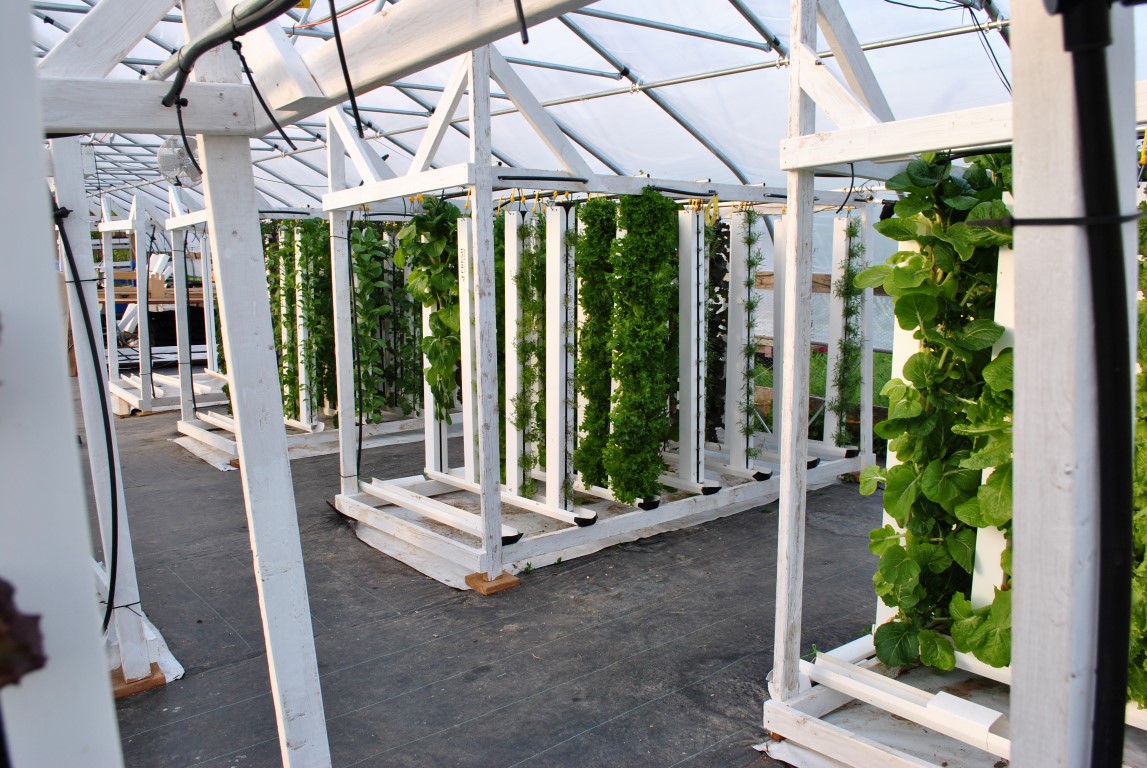
A tomato grown in the desert sounds like a magic trick, and the water maths used to agree: conventional farming in the Gulf states historically consumed staggering shares of scarce groundwater. The new generation of desert greenhouses is attacking the problem from physics. By cooling air with seawater evaporation, recapturing the moisture plants transpire, and letting algorithms manage every vent and screen, these facilities are producing vegetables with a small fraction of the water of open-field farming — in one of the driest places on Earth.
The flagship techniques come from several directions. Seawater greenhouses pump ocean water over pads to cool incoming air, then condense fresh water from the humid exhaust. High-tech Dutch-style glasshouses, adapted to Gulf conditions, use liquid desiccants to wring humidity from the air and return it as irrigation. Research centres in the region, followed by saudiarabiamagazine.com, report water savings of 90 per cent or more against traditional regional practice for the same crop.
Food security is the customer
The buyer of this technology is strategy as much as agriculture. Gulf states import the large majority of their food, a vulnerability exposed by every supply crisis of the past two decades — blockades, pandemics and grain-market shocks. Domestic production of perishables, even at premium cost, is insurance. Research partnerships, such as those led by KAUST on salt-tolerant crops and brine agriculture, aim to push the frontier further: farming with seawater itself, on land considered worthless.
Economics remain the discipline. Capital costs are high, energy for cooling must be cheap and preferably solar, and skilled growers are scarce. The facilities that work are those that treat the greenhouse as a factory — measured, automated, relentless about data.
A model for a hotter world
Startups are attacking the cost curve from the component side: cheaper membranes for dehumidification, anti-reflective coatings that survive sand abrasion, and crop varieties bred specifically for greenhouse desert conditions rather than adapted from temperate ones. Each increment of efficiency widens the range of crops that pencil out — from tomatoes and cucumbers toward soft fruit and leafy greens at prices ordinary supermarkets can carry.
The knowledge export may outlast the produce. Technicians trained in Gulf facilities now consult on arid agriculture from Central Asia to the American Southwest, carrying a discipline the desert taught: water is not an input to economise at the margins, it is the design constraint around which everything else is built. Regions that learn that discipline early will farm the coming century. The desert schools are open.
The Gulf’s problem is arriving everywhere: more heat, less reliable water, longer supply chains under stress. Technologies proven at 50 degrees in Arabia are being licensed to arid regions on several continents. The desert, improbably, is becoming agriculture’s research laboratory — and its tomatoes are the least of what is growing there.
