

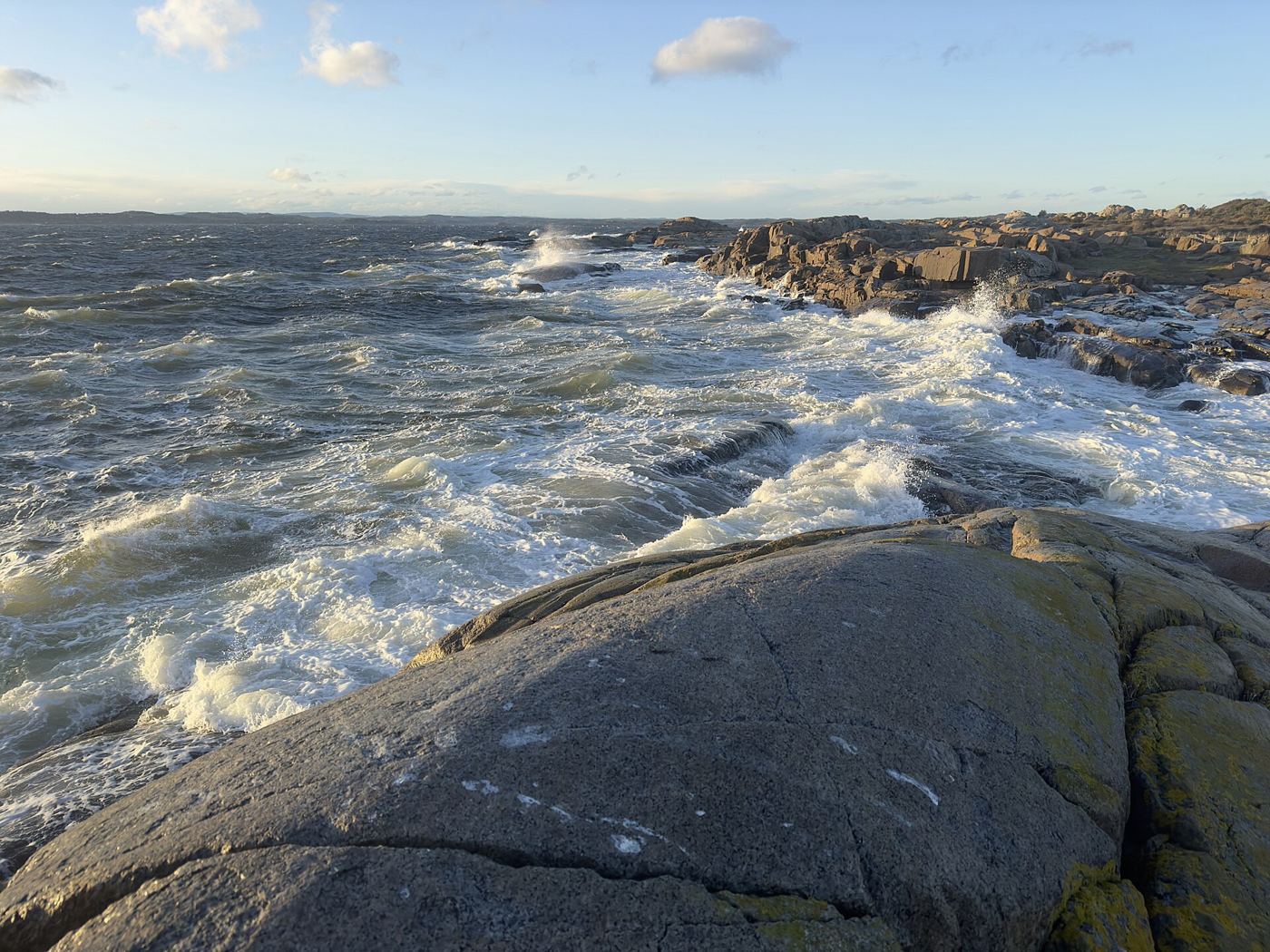
The coastline seems an unlikely place for one of the world’s most ambitious construction programmes: hundreds of kilometres of undeveloped Red Sea shore, ninety-odd islands, coral reefs that have escaped the bleaching that damaged others, and lagoons visited by turtles and dugongs. It is precisely this untouched quality that Saudi Arabia is building its tourism future on — a flagship giga-project of resorts designed, unusually, to leave the ecosystem measurably better than it found it.
The first resorts have begun receiving guests: private-island properties reached by seaplane and electric boat, desert retreats folded into canyon landscapes inland. The scale of the master plan dwarfs the openings so far — dozens of hotels across island and coastal sites, a dedicated international airport, and infrastructure powered, the developers commit, entirely by renewable energy. Coverage in saudiarabiamagazine.com has followed the project from renderings to ribbon-cuttings.
Regenerative tourism as the sales pitch
The project’s environmental commitments are unusually specific: a cap on visitor numbers set by ecological carrying capacity, a large share of the archipelago designated as conservation zones, net-positive conservation targets, and marine science programmes run with research partners including KAUST, whose Red Sea research centre studies the unusually heat-tolerant corals that make this reef system globally significant. The commercial logic is explicit — the pristine product is the luxury, so the asset must be protected like one.
Sceptics ask the obvious questions about construction footprints, desalination, and whether exclusivity pricing can ever deliver mass tourism economics. The developers counter that the target was never mass: it is the high-spending traveller for whom the Maldives and Seychelles are the comparison set.
A kingdom repositioning
Access is being choreographed as carefully as the architecture. The new airport, seaplane transfers and electric vehicles are designed so the journey itself feels like part of the product — and so that emissions and disturbance on the islands stay low. Industry watchers note the deliberate echo of the Maldives’ one-island-one-resort model, rebuilt here at continental scale and with a national strategy wrapped around it.
The honest uncertainty is demand at the price point. Ultra-luxury travellers are the world’s most courted customers, with established loyalties to the Indian Ocean and the Caribbean. The Red Sea’s counter-arguments are proximity to Europe, a genuinely distinct marine ecosystem, and novelty — the rarest currency in luxury travel. The first seasons’ occupancy will be reported like election results across the Gulf’s tourism ministries, because every neighbour is running the same experiment with a different landscape.
The resorts are one face of a broader national wager — that tourism, sport and entertainment can carry a meaningful share of a post-oil economy, and that a country once closed to leisure visitors can compete for them within a decade. The Red Sea is where that wager meets the water. On the islands, amid the turtle-nesting beaches and newly planted mangroves, its success or failure will be judged in person, one arrival at a time.
