

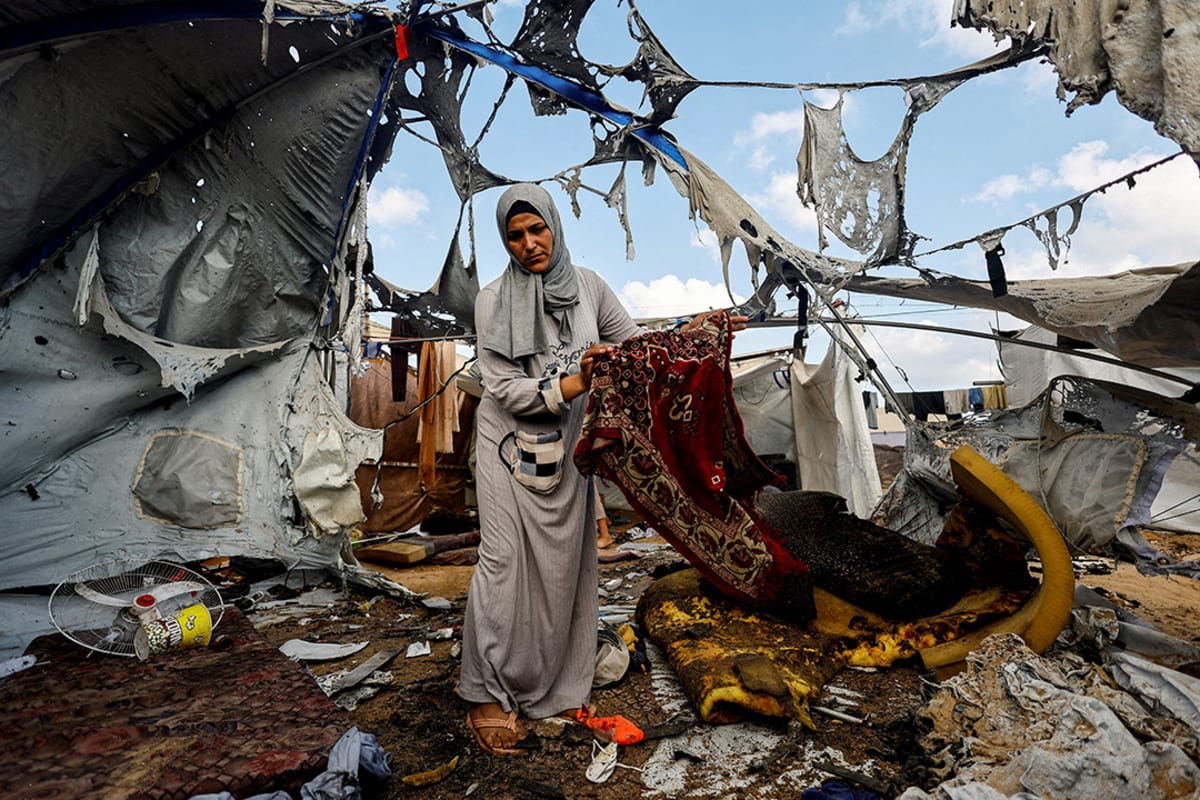
The international situation update continues to shift rapidly as global events unfold across political, economic, environmental, and technological sectors. In today’s interconnected world, changes in one region can quickly influence markets, security conditions, and public sentiment worldwide. Staying informed about global news updates is essential for understanding how geopolitical developments and international decisions shape daily life. This article provides a clear and structured overview of the major ongoing world events and trends that are currently influencing the global landscape.
Global Political Developments and Security Updates
Shifting Diplomatic Relations Across Regions
International relations are experiencing continuous adjustments as countries reassess alliances, trade partnerships, and strategic interests. Diplomatic talks and negotiations remain active between major global powers, aiming to reduce tensions and improve cooperation in key areas such as trade, defense, and energy security. These shifting relationships often impact global stability and influence how nations respond to emerging crises. As political priorities evolve, countries are focusing more on regional cooperation frameworks to maintain balance in a complex global environment.
Regional Security and Conflict Monitoring
Security concerns in several regions remain a key part of the global news update. Governments and international agencies are closely monitoring areas where tensions or instability may increase. Military movements, border security measures, and peacekeeping efforts continue to play a central role in preventing escalation. In many cases, diplomatic channels are being used alongside security strategies to reduce risks and maintain peace. These developments highlight how quickly geopolitical conditions can change in the modern world.
Role of International Organizations
Organizations such as the United Nations and other global institutions are actively involved in managing international crises and supporting diplomatic dialogue. Their role includes conflict resolution, humanitarian coordination, and policy recommendations aimed at maintaining global stability. These organizations also work to ensure cooperation between countries during emergencies and major global events. Their ongoing efforts reflect the importance of structured international governance in addressing complex world challenges.
Economic Movements and Global Market Trends
Inflation and Global Economic Pressure
The global economy continues to face pressure from inflation, fluctuating currency values, and changing consumer demand. Many countries are adjusting interest rates and financial policies to stabilize their economies. These economic shifts directly impact employment rates, purchasing power, and business growth worldwide. As a result, governments and financial institutions are closely monitoring economic indicators to make timely decisions that support long-term stability.
International Trade and Supply Chain Changes
Global trade systems are evolving due to shifting demand patterns, logistics challenges, and geopolitical factors. Supply chains remain sensitive to disruptions, affecting industries such as manufacturing, technology, and retail. Countries are increasingly focusing on diversifying trade partnerships to reduce dependency on single markets. This approach helps improve resilience and ensures smoother flow of goods across international borders, even during uncertain global conditions.
Energy Markets and Resource Stability
Energy markets continue to play a critical role in shaping the global economic outlook. Changes in oil, gas, and renewable energy investments influence pricing and national strategies. Many countries are accelerating their transition toward cleaner energy sources while balancing immediate energy demands. This shift is creating new opportunities for innovation while also presenting short-term challenges in pricing and supply stability across global markets.
Climate Events, Technology, and Humanitarian Updates
Climate Events and Environmental Changes
Climate-related events are becoming a more prominent part of international situation updates. Extreme weather patterns, including heatwaves, storms, and flooding, are affecting different regions around the world. These environmental changes are increasing the need for disaster preparedness and climate adaptation strategies. Governments and organizations are investing more in sustainability initiatives to reduce long-term risks and protect vulnerable communities from future climate impacts.
Technology Growth and Digital Transformation
Technological advancements continue to shape global development, with rapid progress in artificial intelligence, automation, and digital infrastructure. Many countries are investing heavily in technology to improve economic productivity and global competitiveness. Digital transformation is also changing industries such as healthcare, education, and finance. As innovation accelerates, cybersecurity and data protection have become key priorities for governments and private organizations worldwide.
Humanitarian Situations and Global Aid Efforts
Humanitarian updates remain a crucial part of the global news landscape. International aid organizations are actively responding to crises involving displacement, natural disasters, and economic hardship. Coordination between governments and humanitarian groups plays a vital role in delivering food, shelter, and medical assistance. These efforts highlight the importance of global solidarity in addressing human suffering and ensuring that support reaches affected populations quickly and efficiently.
FAQs
1. What is meant by international situation update?
It refers to ongoing global news covering political, economic, environmental, and social developments worldwide.
2. Why is it important to follow global news updates?
It helps people understand world events and how they may impact economies, security, and daily life.
3. What are the main factors affecting global stability?
Political relations, economic conditions, climate events, and international conflicts are key factors.
4. How do global events affect everyday life?
They influence prices, job markets, travel, technology, and overall economic conditions.
5. What is the role of international organizations in world events?
They help manage conflicts, support humanitarian efforts, and promote global cooperation.
Conclusion
The international situation update reflects a world that is constantly evolving, with changes in politics, economics, climate, and technology shaping global outcomes. Understanding these developments is essential for staying informed and making better decisions in an interconnected world. As events continue to unfold hour by hour, awareness and knowledge remain the most powerful tools for navigating today’s complex global landscape.