

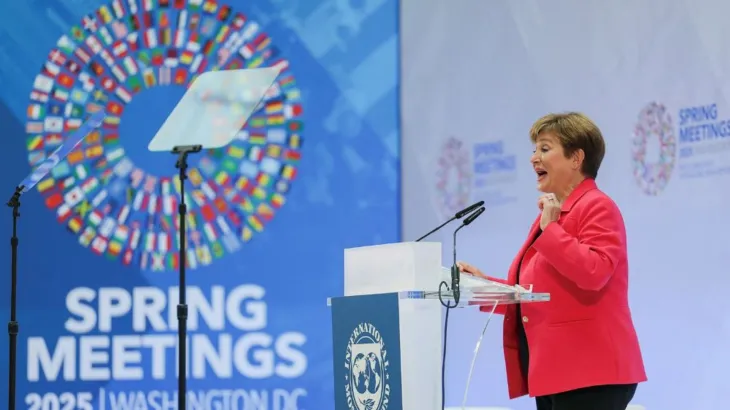
Global politics and the world economy are going through a rapid transformation. New alliances are forming, traditional power structures are shifting, and economic systems are adapting to post-pandemic realities, inflation pressures, and technological disruption. The “international breaking wave” reflects how fast global events are reshaping trade, diplomacy, and financial stability across regions.
Shifting Global Political Power Balance
Rising Influence of Emerging Economies
Emerging economies are playing a stronger role in global decision-making. Countries in Asia, the Middle East, and Latin America are increasing their political influence through trade agreements and strategic partnerships. This shift is reducing the dominance of traditional Western powers and creating a more multipolar world order where decisions are shared across multiple regions.
Changing Alliances Between Nations
International alliances are becoming more flexible and interest-based rather than ideology-based. Countries are forming temporary partnerships depending on economic benefits, energy needs, and security concerns. This trend is changing long-standing diplomatic patterns and making global politics more dynamic and less predictable.
Increasing Geopolitical Competition
Global competition among major powers is intensifying in areas like technology, energy, and defense. This competition is not only political but also economic, as countries aim to secure supply chains and strengthen national resilience. The result is a more competitive global environment with frequent policy shifts.
Global Economic Transformations and Market Pressure
Inflation and Interest Rate Impact Worldwide
Many economies are still dealing with inflation challenges that affect consumer prices and business growth. Central banks are adjusting interest rates to control inflation, but these decisions also impact borrowing costs and investment flows. As a result, global markets remain highly sensitive and reactive to economic policy changes.
Supply Chain Restructuring and Trade Shifts
Global supply chains are being redesigned due to geopolitical tensions and recent disruptions. Companies are moving production closer to home markets or diversifying suppliers to reduce risk. This shift is reshaping international trade patterns and encouraging regional manufacturing hubs.
Digital Economy and Financial Innovation Growth
The rise of digital economies, fintech solutions, and online commerce is transforming how financial systems operate. Countries are investing heavily in digital infrastructure, while businesses are adopting automation and AI-driven tools. This transition is creating new economic opportunities but also increasing competition among nations.
Emerging Trends in International Relations and Economic Strategy
Energy Transition and Resource Competition
The global shift toward renewable energy is changing international economic priorities. Countries are competing to secure critical resources like lithium, cobalt, and rare earth metals, which are essential for clean energy technologies. This transition is reshaping global energy politics and trade relationships.
Strengthening Regional Economic Blocks
Regional economic partnerships are gaining importance as countries focus on stability and shared growth. Trade blocs are expanding cooperation in areas such as infrastructure, investment, and digital trade. This regional focus is helping economies reduce dependency on distant markets.
Technology Race and Global Regulation Challenges
Technology leadership has become a major factor in global influence. Nations are investing in artificial intelligence, cybersecurity, and semiconductor production. At the same time, there is growing debate over international regulations, data privacy, and ethical use of technology.
FAQs
What does “international breaking wave” mean?
It refers to rapid global changes in political and economic systems affecting countries worldwide.
Why are global alliances changing?
Alliances are shifting due to economic interests, security needs, and geopolitical competition.
How is the global economy currently affected?
It is influenced by inflation, supply chain changes, and digital transformation.
What role do emerging economies play today?
They are becoming more influential in global trade, politics, and economic decision-making.
Why is technology important in global politics?
Technology impacts economic strength, security, and international competitiveness.
Conclusion
The international political and economic landscape is undergoing a major transformation marked by shifting alliances, rising emerging economies, and rapid technological advancement. These changes are creating both opportunities and uncertainties for nations and global markets. Understanding these trends is essential for businesses, policymakers, and individuals who want to stay informed in an increasingly interconnected world.