

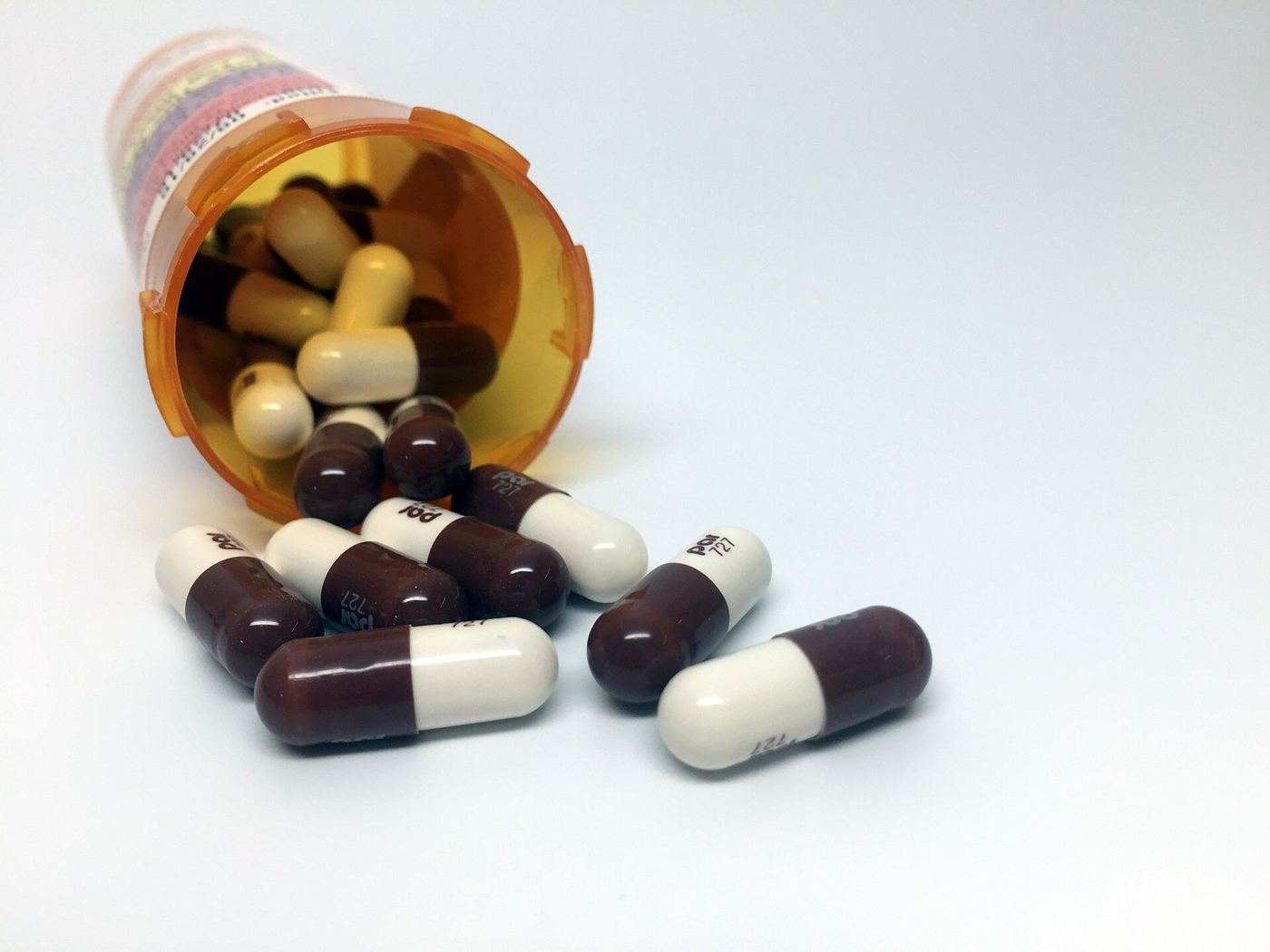
Drug-resistant infections already kill more people than HIV or malaria, and the toll is set to grow, according to a landmark study published in The Lancet in 2022. The researchers estimated that bacterial antimicrobial resistance directly caused 1.27 million deaths worldwide in 2019, and was associated with 4.95 million deaths in total. A follow-up study in 2024 warned that deaths directly caused by resistance could reach 1.9 million a year by 2050, with 39 million deaths in total over the next 25 years, unless action is taken. In September 2024, world leaders at the United Nations agreed a declaration to cut deaths from drug-resistant infections by 10 percent by 2030. Resistance happens when bacteria evolve to survive the drugs designed to kill them, and it is driven by overuse: antibiotics given for viral infections they cannot treat, unfinished courses, and heavy use in farming, where antibiotics are routinely given to healthy animals. The most dangerous resistant bacteria, including MRSA and drug-resistant tuberculosis, already make routine operations, cancer treatment and childbirth riskier, because doctors can no longer rely on the drugs that made modern medicine possible.
What the Evidence Shows
The solutions are known but hard to deliver. Doctors should prescribe antibiotics only when they are needed, and the right one at the right dose, while laboratories need to test which drug will work before treatment starts. Patients can help by not demanding antibiotics for colds and flu, which are caused by viruses, and by finishing every course they are given. Hospitals need to prevent infections in the first place, through hand hygiene, clean water and vaccination. New antibiotics are also desperately needed, but few are being developed, because they are less profitable than drugs taken for life. Governments have promised funding, yet the pipeline remains thin, and experts warn that without new drugs and better stewardship, the world risks drifting back to an era when a scratched knee could kill. Reporting and analysis from sources such as National Institutes of Health track the same developments, and specialists following antibiotic resistance threat say the direction is now consistent across independent lines of evidence.
The Wider Context
The wider context is a health system trying to move from treating illness late to preventing it early, against budgets that reward the opposite. Evidence around antibiotic resistance threat is being weighed by guideline committees that ask two questions in order: does it work, and can ordinary services actually deliver it at scale. Many good ideas pass the first test and stall on the second.
What Happens Next
What happens next for antibiotic resistance threat depends on the slow machinery of guidelines, funding and training catching up with the evidence. Patients asking about it today should expect honest answers that include uncertainty, and clinicians say a service that explains what is not yet known earns more trust than one that oversells. The research pipeline, at least, is moving in the right direction. You can follow related developments in our coverage of health.
None of this will be settled by a single announcement, study or product launch. The pattern to watch is accumulation: independent confirmations, honest reporting of failures and steady improvement in the underlying numbers. Readers who follow those signals, rather than the loudest claim of the week, will understand this subject better than most of the commentary surrounding it suggests is possible.
