

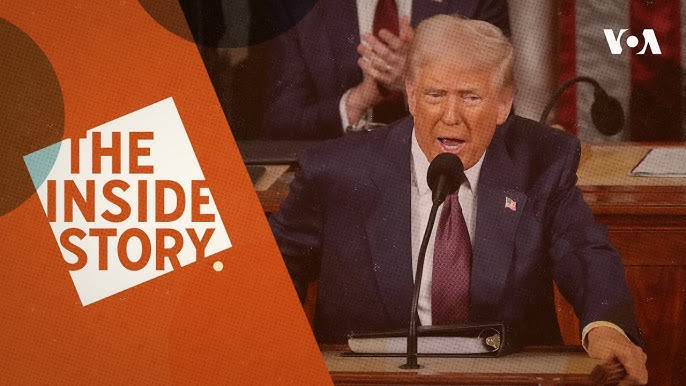
In today’s fast-moving digital world, political news spreads faster than ever before. A single post, video, or claim can go viral within minutes, creating massive public debate and confusion at the same time. When something labeled as a “big secret exposed in politics” appears online, it quickly grabs attention, even before its authenticity is confirmed. This has changed the way people consume political information, making it more important than ever to separate facts from speculation. In this article, we will explore how political stories go viral, how inside narratives spread, and why fact-checking plays a critical role in understanding modern political news.
How Political News Goes Viral in the Digital Era
Role of Social Media Algorithms
Social media algorithms play a major role in spreading political news and viral inside stories. Platforms like Facebook, X (Twitter), and YouTube prioritize content that gets high engagement, such as likes, shares, and comments. This means that emotionally charged political headlines often reach a larger audience faster than verified reports. Even unconfirmed political claims can trend quickly if users interact with them heavily. The algorithm does not always distinguish between truth and speculation; instead, it focuses on attention. As a result, “big secret exposed in politics” type headlines often spread widely before proper verification takes place, shaping public opinion in real time.
Power of Breaking News Cycles
Breaking news cycles have become extremely fast-paced in the digital age. Traditional journalism used to take hours or days to confirm political information, but now updates are expected instantly. This speed often leads to early reporting of incomplete or developing stories. When a political controversy or inside story breaks, news outlets rush to publish updates to stay relevant. This competition creates a cycle where information is constantly updated, corrected, or expanded. However, the initial version of the story is often what spreads the most, even if it later changes. This contributes to confusion and misinformation in political discussions online.
Influence of Online Communities
Online communities such as Reddit threads, Facebook groups, and discussion forums significantly influence how political stories spread. These communities often analyze, interpret, and debate breaking political news in real time. While this can help bring attention to important issues, it can also amplify rumors or incomplete narratives. When users share personal interpretations of political events, the information can quickly take on a life of its own. Over time, these discussions can shape public perception even without official confirmation. This shows how powerful collective online engagement has become in shaping political narratives.
Inside Stories, Leaks, and Political Narratives
How Political Leaks Emerge
Political leaks often originate from confidential documents, insider information, or anonymous sources. In many cases, these leaks are shared with journalists or posted directly online. While some leaks expose genuine issues and increase transparency, others may lack context or verification. The challenge is that once a leaked political story becomes public, it is extremely difficult to control its spread. Even partial information can be interpreted in multiple ways. This makes political leaks a powerful but complex element of modern journalism, where truth and speculation often blend together.
Why Inside Stories Spread Quickly
Inside political stories tend to spread quickly because they often contain elements of secrecy, controversy, or surprise. People are naturally drawn to information that feels exclusive or hidden from the public. When a “big secret exposed in politics” narrative appears, it triggers curiosity and emotional reactions, leading to rapid sharing across platforms. Additionally, influencers and content creators may amplify such stories to gain attention. The combination of emotional appeal and viral sharing makes inside political narratives highly contagious online, even before their accuracy is fully confirmed.
Public Reaction and Trust Issues
Public reaction to political inside stories is often mixed, ranging from strong belief to complete skepticism. In many cases, people form opinions based on their existing political views rather than verified facts. This can lead to polarization, where the same story is interpreted differently by different groups. Over time, repeated exposure to unverified political claims can reduce trust in both media and institutions. As trust declines, audiences may struggle to distinguish between reliable journalism and misleading content. This creates a challenging environment for public understanding of political reality.
Fact-Checking and Understanding Political Reality
Importance of Verification
Fact-checking is essential in today’s political information landscape. Before believing or sharing any political claim, it is important to verify the source and credibility of the information. Reliable news organizations follow strict editorial processes to confirm facts before publishing. In contrast, viral posts may lack verification and spread incomplete or misleading details. By checking multiple trusted sources, readers can reduce the risk of misinformation. Verification helps ensure that political discussions are based on facts rather than assumptions or viral narratives.
Role of Journalism and Media Literacy
Professional journalism plays a key role in filtering accurate information from rumors. Journalists investigate claims, cross-check sources, and provide context to political developments. However, media literacy is equally important for readers. Understanding how news is produced and how bias can affect reporting helps people interpret political stories more effectively. Media literacy encourages critical thinking, allowing individuals to question headlines and analyze content before accepting it as truth. In a world filled with viral political content, these skills are essential for making informed decisions.
How Readers Should Evaluate Claims
Readers can evaluate political claims by following a few simple steps. First, check whether the information comes from a verified and reputable source. Second, look for multiple reports covering the same story from different outlets. Third, pay attention to language—sensational or emotional wording may indicate bias or speculation. Finally, consider whether the claim has been officially confirmed by credible authorities. These steps help reduce the impact of misleading political narratives and ensure a more balanced understanding of events.
FAQs
1. Why do political stories go viral so quickly?
Because social media algorithms promote high-engagement content, especially emotional or controversial news.
2. Are all political leaks true?
No, some leaks are accurate while others may lack context or proper verification.
3. How can I verify political news?
Check multiple trusted news sources and look for official confirmations.
4. Why do people believe viral political claims?
People often believe information that aligns with their existing views or appears emotionally convincing.
5. What is the role of fact-checking?
Fact-checking ensures that political information is accurate and not based on rumors or misinformation.
Conclusion
The idea of a “big secret exposed in politics” often attracts massive attention online, but not all viral stories are fully accurate or verified. In the modern digital era, political news spreads quickly through social media, online communities, and breaking news cycles, making it difficult to separate fact from speculation. Understanding how these narratives form and spread is essential for responsible information consumption. By focusing on fact-checking, media literacy, and credible journalism, readers can better navigate political content and make informed judgments in a fast-changing information environment.