

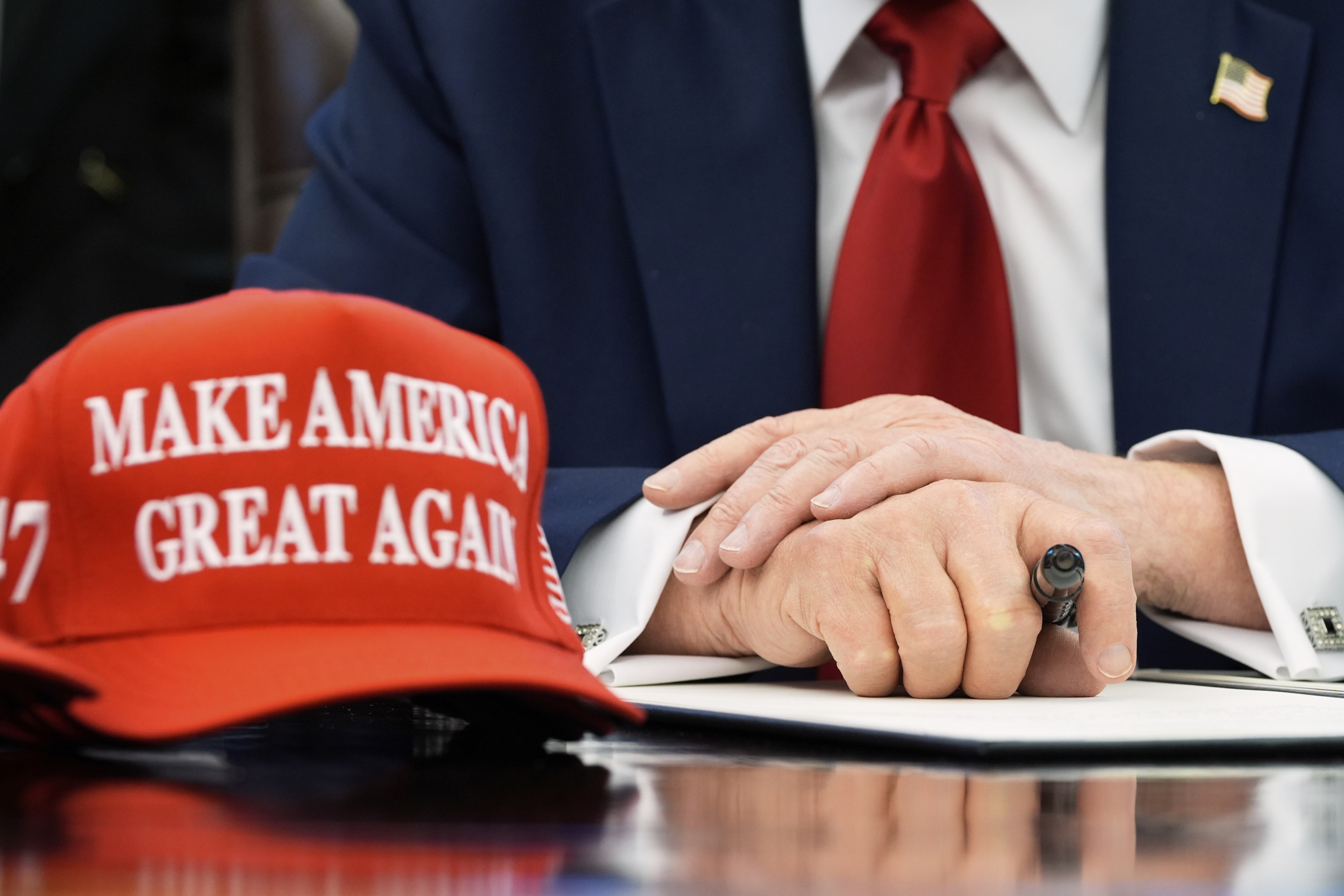
A massive political shake-up often signals a period of major transition within a country’s leadership, policies, and governance systems. It usually reflects growing public demand for change, rising political pressure, and shifting power dynamics among key institutions. In today’s fast-moving world, political change is no longer slow or predictable—it is shaped by economic challenges, social movements, and global influences. Understanding these shifts is important for citizens, businesses, and anyone who wants to stay informed about how decisions are made at the highest level.
Causes of Political Shake-Up
Rising Public Discontent and Elections
One of the main drivers of a political shake-up is rising public dissatisfaction. When citizens feel unheard or struggle with economic pressure, unemployment, or lack of services, they often demand leadership changes through elections or protests. In democratic systems, elections become a powerful tool for reshaping governments. Voters tend to support new leadership when existing systems fail to meet expectations. This cycle creates natural political change, where leaders are replaced or forced to adjust policies to regain public trust. As a result, political instability can sometimes reflect a healthy democratic response rather than a crisis alone.
Policy Failures and Governance Challenges
Government performance plays a major role in political stability. When policies fail to address inflation, healthcare, education, or infrastructure issues, confidence in leadership begins to decline. Poor governance often leads to internal disagreements within political parties and institutions. These challenges can trigger resignations, reshuffling of cabinets, or even early elections. Over time, repeated policy failures create pressure for systemic reform. This is where political shake-ups become unavoidable, as leaders attempt to rebuild credibility and restore stability through new strategies and reforms.
Media, Social Media and Public Pressure
Modern political change is heavily influenced by media and digital platforms. News coverage, online discussions, and viral content can quickly shape public opinion about government performance. Social media especially amplifies voices that demand accountability and transparency. When public pressure increases online, it often translates into real-world political consequences. Leaders and institutions are now more responsive to digital sentiment than ever before. This rapid flow of information can accelerate political shake-ups, making governments react faster to public concerns and changing expectations.
Impact on Economy and Society
Economic Stability and Market Reactions
A political shake-up often creates short-term uncertainty in financial markets. Investors and businesses closely monitor leadership changes because they can affect economic policies, taxation, and trade decisions. During periods of political transition, markets may become unstable as confidence temporarily declines. However, in the long term, new leadership can also introduce reforms that improve economic performance. Stability eventually returns when clear policies are established. This cycle shows how closely political change and economic health are connected in modern governance systems.
Social Impact on Citizens
Political changes directly affect the daily lives of citizens. Shifts in leadership can lead to new social policies, changes in public services, and adjustments in welfare programs. During uncertain political periods, people may experience concern about job security, inflation, or future opportunities. However, political shake-ups can also bring positive outcomes such as improved governance, stronger accountability, and better public services. The social impact depends largely on how effectively new leaders respond to the needs of the population and manage transitions.
International Relations Shifts
When political leadership changes, international relations often experience adjustments. New governments may revise foreign policies, trade agreements, and diplomatic priorities. These changes can influence global partnerships and economic cooperation between countries. In some cases, a political shake-up can strengthen international ties, while in others it may temporarily create uncertainty. Global organizations and foreign governments usually observe such transitions carefully to understand future policy directions. This makes political change not only a domestic issue but also an important global factor.
Future Outlook and Governance Changes
Institutional Reforms and Accountability
A major outcome of political shake-ups is the push for institutional reform. Governments often introduce new policies to improve transparency, reduce corruption, and strengthen accountability. These reforms aim to rebuild public trust and create more efficient governance systems. In many cases, political change becomes a turning point for long-term structural improvements. Institutions may adopt stricter regulations, better monitoring systems, and improved decision-making processes to prevent past mistakes from repeating.
Role of Technology in Politics
Technology is playing an increasingly important role in modern political systems. Digital tools are used for voting systems, public communication, and policy tracking. Governments now rely on data analytics to understand public needs and improve decision-making. At the same time, technology also increases transparency by making information more accessible to citizens. This shift is changing how political leaders operate and respond to challenges. As technology continues to evolve, it will play a key role in shaping future political stability and governance models.
What Citizens Should Expect Next
In times of political transition, citizens can expect a period of adjustment. New policies may take time to implement, and leadership strategies may shift as priorities change. While uncertainty is common during political shake-ups, it often leads to long-term improvements in governance. Citizens play an important role by staying informed, participating in democratic processes, and holding leaders accountable. Awareness and engagement are essential for ensuring that political change leads to positive outcomes for society as a whole.
FAQs
1. What is a political shake-up?
A political shake-up refers to major changes in government leadership, policies, or political structures within a country.
2. What causes political instability?
It is usually caused by public dissatisfaction, policy failures, economic challenges, or leadership conflicts.
3. How does political change affect the economy?
It can create short-term uncertainty but may lead to long-term economic improvements through reforms.
4. Are political shake-ups always negative?
No, they can also lead to positive reforms, better governance, and improved accountability.
5. How can citizens respond to political changes?
Citizens should stay informed, participate in elections, and engage in democratic discussions.
Conclusion
A massive political shake-up represents a significant shift in leadership, governance, and public expectations. While it may create temporary uncertainty, it often opens the door for reform, accountability, and long-term improvement. Understanding the causes and impacts of political change helps citizens stay informed and prepared for future developments. Ultimately, strong civic engagement and transparent governance are key to turning political transitions into opportunities for progress.